


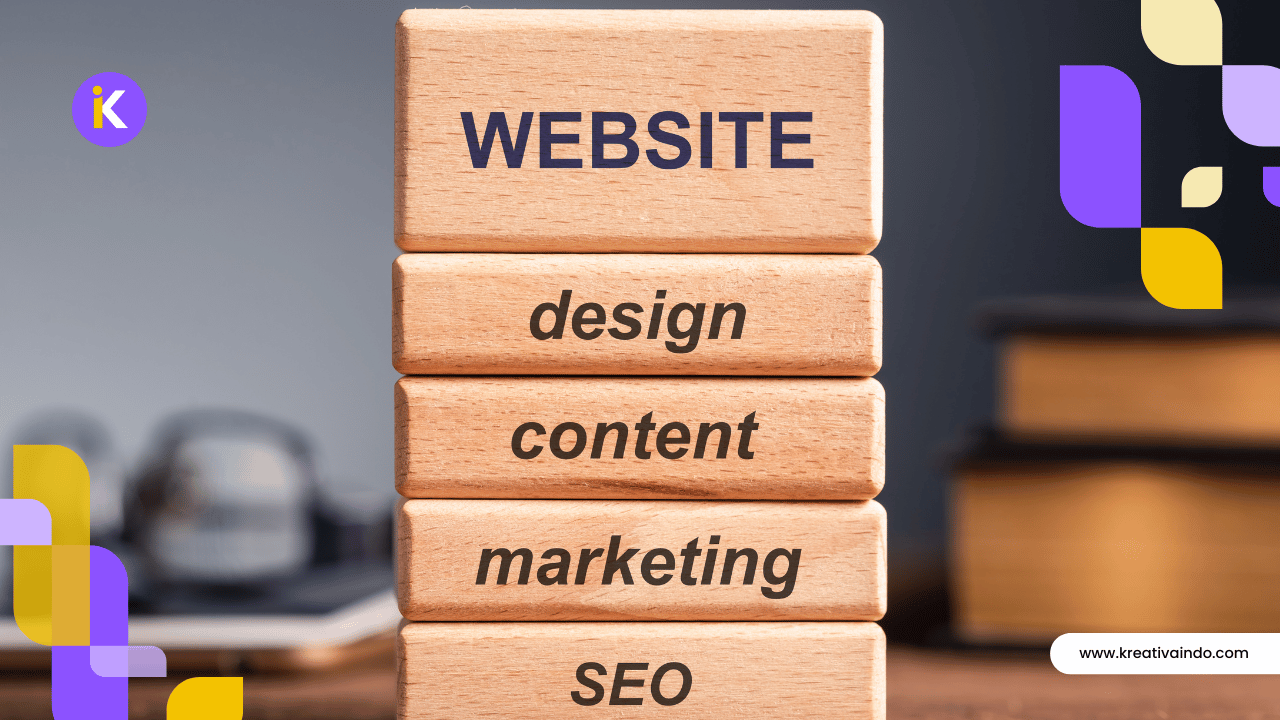
Starting a small business in 2026 without a website is no longer an option. Today, your website acts as your digital storefront — it’s where potential customers discover your brand, evaluate your credibility, and decide whether to trust your business.
But with so many platforms, tools, and service providers available, choosing the best website for small business in 2026 can feel overwhelming.
In this guide, we’ll break everything down clearly — from features and options to costs and recommendations — so you can make the right decision for your business.
Why Every Small Business Needs a Website
A website is one of the most important assets for any business today. Unlike social media platforms, your website is fully owned by you, giving you complete control over how your brand is presented.
Having a professional website helps your business:
- Build trust and credibility with potential customers
- Be found on Google and other search engines
- Showcase your products or services clearly
- Compete with larger, more established businesses
Without a website, many potential customers may question the legitimacy of your business.
If you want a deeper explanation, read: Why Every Small Business Needs a Website in 2026
Why Every Small Business Needs a Website
Not all websites deliver results. A good website is not just about appearance — it must support your business goals.
1. Professional and Clean Design
First impressions matter. When someone visits your website, they form an opinion within seconds. A clean and modern design immediately builds trust and shows that your business is serious.
A professional design should:
- Match your brand identity
- Use consistent colors and typography
- Avoid clutter and unnecessary elements
2. Mobile-Friendly Experience
More than half of users today access websites through mobile devices. If your website is not optimized for mobile, you risk losing a large portion of potential customers.
A mobile-friendly website should:
- Adjust perfectly to all screen sizes
- Be easy to navigate with touch
- Load quickly even on slower connections
3. Fast Loading Speed
Speed plays a critical role in user experience. Studies show that users will leave a website if it takes more than a few seconds to load.
A fast website helps:
- Keep visitors engaged
- Improve SEO rankings
- Increase conversions
4. SEO-Ready Structure
A website should not only look good — it should also be easy for search engines to understand.
An SEO-ready website includes:
- Proper heading structure (H1, H2, H3)
- Optimized images and performance
- Clear URL structure
- Relevant keywords in content
This allows your business to appear in search results when people look for your services.
5. Clear Navigation and Content
Visitors should instantly understand what your business offers and how to take action.
A well-structured website includes:
- Clear menu navigation
- Simple and direct messaging
- Strong call-to-action (CTA)
Confusing websites often lead to high bounce rates and lost opportunities.
Website Options for Small Business
Choosing the right approach depends on your goals, budget, and level of experience.
1. DIY Website Builders (Wix, Squarespace, etc.)
DIY platforms are popular because they are easy to use and require minimal technical knowledge.
Pros:
- Quick to set up
- Lower initial cost
- No coding required
Cons:
- Limited flexibility and customization
- Templates may look generic
- SEO and performance limitations
These platforms are suitable for testing ideas, but may not be ideal for long-term business growth.
2. Hiring a Professional Website Developer
Working with a professional developer is the best option if you want a website that truly represents your business and performs well.
Pros:
- Custom design tailored to your brand
- Better performance and speed
- SEO optimization from the start
- Scalable for future growth
Cons:
- Requires investment
Learn how to choose the right developer: How to Choose the Right Website Developer for Your Business
How Much Does a Small Business Website Cost?
Website costs can vary significantly depending on the features, complexity, and service provider.
In general, there are two common pricing models:
One-Time Payment
You pay a large upfront fee for the website.
Monthly Subscription
You pay a smaller monthly fee that includes maintenance and updates. For small businesses, monthly plans are often more accessible and reduce financial risk.
Learn more here: Website Development Cost for Small Business
What Is the Best Choice in 2026?
If your goal is long-term growth, credibility, and better online visibility, the best choice is:
A professional, SEO-ready website tailored to your business
DIY tools can work in the short term, but a professionally built website provides better performance, flexibility, and results over time.
Ready to Build Your Website?
If you’re looking for an easy and affordable way to get started, we offer a complete solution:
- Professional and modern design
- SEO-ready structure
- Fast and responsive performance
- Starting from $25/month
Learn more about our service: Website Development Service for Small Business
Final Thoughts
The best website for small business in 2026 is not just about design — it’s about strategy, performance, and user experience.
A well-built website can help your business stand out, attract more customers, and grow sustainably in an increasingly competitive digital landscape.